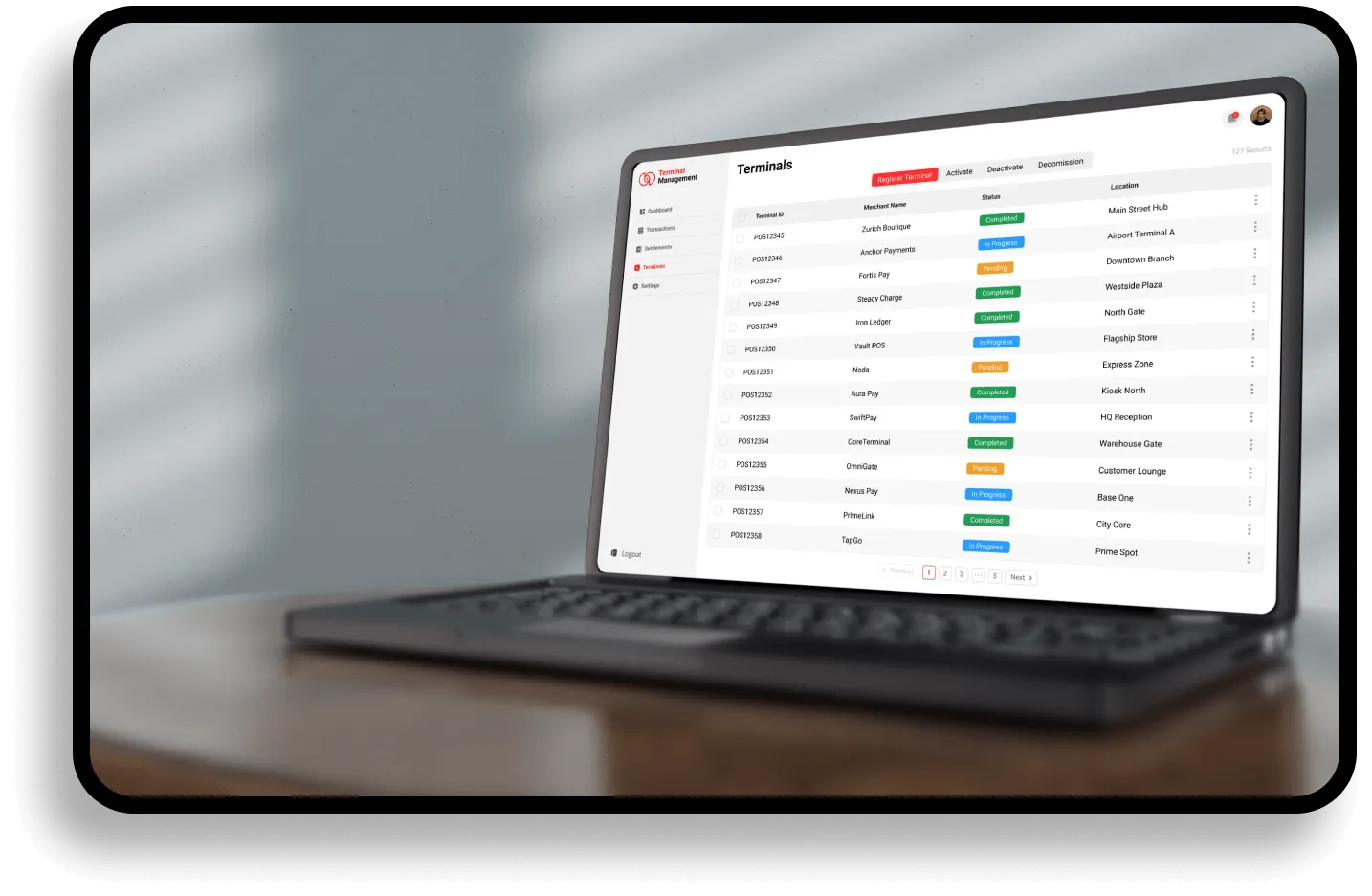
A Swiss universal bank operating in the merchant acquiring domain initiated a strategic bank legacy system upgrade, replacing its aging Acquiring Accounting System (AAS). The incumbent system, responsible for POS terminal management, merchant onboarding, lifecycle accounting, and reconciliation, had become tightly coupled to outdated infrastructure and batch-based processes.
As transaction volumes increased and regulatory expectations intensified, the legacy platform no longer aligned with the Bank’s enterprise architecture or long-term roadmap. The primary objective was a bank trade acquisition software upgrade, implemented with the support of fintech software development services to deliver a modern, scalable, and service-oriented AAS capable of seamless integration with internal and external systems. This platform was designed to manage the full acquiring equipment lifecycle, ensure accurate accounting, and enable near-real-time interactions with merchants and processing partners.
In the payments ecosystem globally, real-time payments adoption has been accelerating, with the proportion of banks supporting full real-time send and receive capabilities increasing notably in 2025 — underscoring why modern, web service–centric integration is now table stakes for competitive acquiring services.
Meanwhile, the Bank’s legacy AAS supported:
The architecture relied heavily on batch-based exchanges, overnight postings, and manual reconciliation, which limited operational efficiency. While effective for earlier operating models, this setup caused operational bottlenecks, limited intraday visibility, and increased financial risk.
The Bank faced a complex combination of technical, operational, and strategic challenges that made modernization both urgent and demanding. The existing legacy AAS had evolved over decades, resulting in tightly coupled, monolithic architecture with high operational friction.
The legacy AAS was monolithic and built on outdated frameworks, requiring extensive regression testing for any change. Addressing these constraints required a structured legacy system modernization effort.
Asynchronous exchanges with the processing center, core banking, and general ledger caused delays in accounting and reconciliation, highlighting the need for Trade acquisition technology enhancement.
Merchant payouts executed via the central payment engine lacked real-time synchronization, highlighting the need for modernizing trade acquiring processes with solutions akin to microloans software, ensuring that reported merchant balances consistently match actual funds and reducing operational discrepancies.
Projected growth in POS terminals and transaction volumes required a platform capable of handling at least 2× the current load, necessitating a legacy system migration for trade acquiring to enable scalable operations.
The Bank implemented a web-based, service-oriented AAS, following API-first principles, fully replacing the legacy platform and enabling near-real-time communication with internal and external systems. The modernization was designed to improve operational efficiency, enhance data accuracy, and provide a scalable foundation for long-term bank digital transformation for trade acquiring.
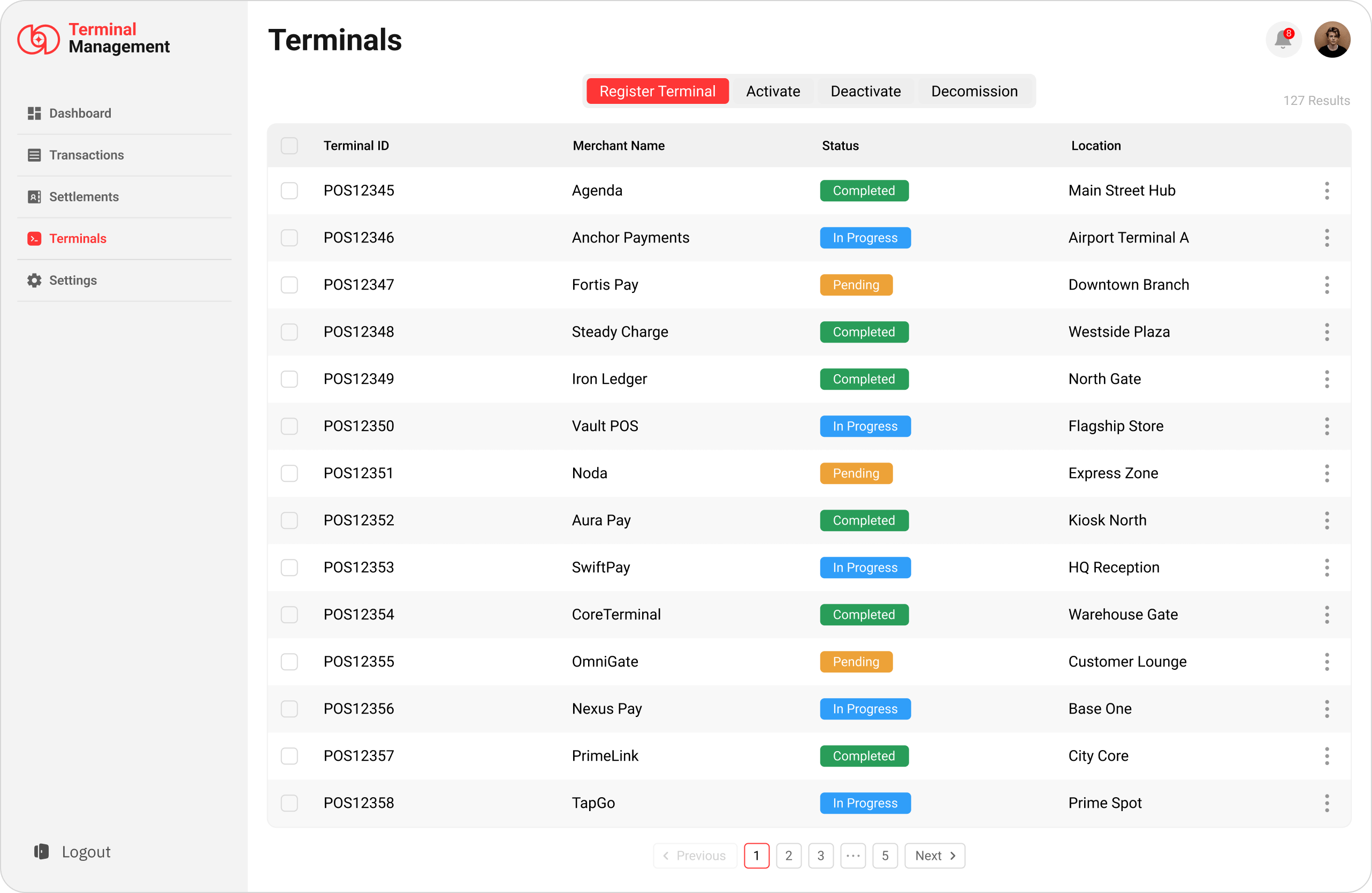
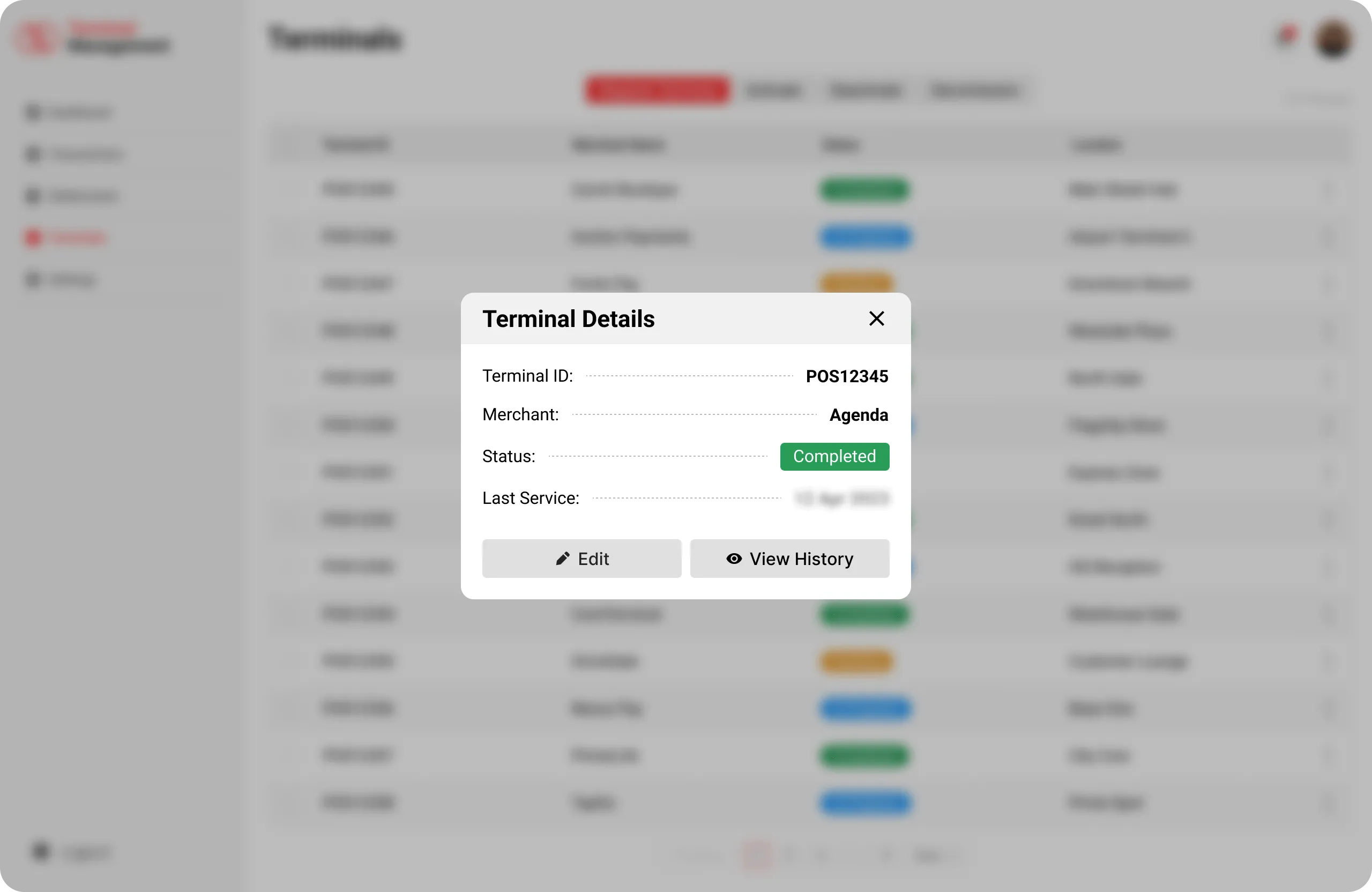
The system managed registration, activation, withdrawal, and decommissioning independently, allowing the Bank to deploy new processes without disrupting unrelated components. This approach supported trade acquiring system evolution in banking, enabling faster adoption of new services and operational agility.
Lifecycle events automatically trigger accounting entries, eliminating delayed batch postings and manual interventions. This legacy system update for trade acquiring efficiency, focused on streamlining operations, ensured accurate balances and minimized operational risk.
A custom connector enables communication with the external processing center using XML-based SOAP APIs.
This bidirectional integration ensures near-real-time synchronization of operational and financial data.
To ensure business continuity during migration, SFTP-based integration was retained for specific use cases, such as client log transfers and legacy workflows. This enabled a phased transition without disrupting operations.
A centralized admin panel replaced email-based workflows. Clients now submit applications directly through the interface, while bank administrators perform verification and approval.
This shift reduced manual effort, improved data accuracy, and accelerated onboarding timelines.
Consolidating all terminal lifecycle processes into a single platform enhanced operational oversight and reduced administrative overhead. This capability exemplifies a Legacy system renovation for Swiss financial institutions, providing efficiency gains across the acquiring domain.
Automated monitoring and exception resolution reduced errors and improved regulatory compliance. This formed part of a Legacy system overhaul for Swiss bank trade operations, supporting a reliable and auditable operating environment.
The advanced fintech software development architecture allowed gradual coexistence with batch interfaces during transition, ensuring business continuity while executing a phased Legacy system modernization strategy.
The AAS was embedded into the Bank’s IT landscape via loosely coupled, modular interfaces:
These integrations exemplify modernizing legacy banking systems, allowing the Bank to maintain operational continuity while executing a Legacy system renovation for Swiss financial institutions.

The implementation of the modernized AAS delivered significant improvements across technical, operational, and strategic dimensions.
The migration from a monolithic, batch-driven platform to a service-oriented, API-enabled system exemplifies legacy system modernization case study practices, reducing technical debt and aligning with enterprise standards.
Event-driven APIs decreased end-to-end terminal provisioning and accounting latency by 60–70%, demonstrating the value of modernizing trade acquiring processes.
Direct integration with Operday ensured access to authoritative, real-time data, reducing reconciliation discrepancies by ~30%.
Elimination of redundant batch exchanges and manual interventions decreased operational effort by 40%, illustrating the practical benefits of a bank trade acquisition software upgrade.
The solution supports up to 2× transaction and terminal volume growth and complies with regulatory requirements.
By modernizing its Acquiring Accounting System, the bank successfully transitioned from manual, batch-driven operations to a real-time, API-enabled ecosystem.
The transformation not only improved efficiency and data accuracy but also established a scalable, future-ready platform capable of supporting continued innovation in merchant acquiring.
This project highlights how modernizing trade acquiring processes and executing a Legacy system update for trade acquiring efficiency can accelerate digital transformation while maintaining operational continuity, leveraging custom software development expertise and the strategic support of CleverDev Software.