Running a modern supply chain today requires more than just moving goods from one place to another, and this is exactly where custom logistics software starts to make a real difference. It is about keeping everything in motion without delays, staying flexible when plans change, and meeting rising expectations without missing a beat. If it feels like the pressure keeps increasing while timelines keep shrinking, you are not alone. The entire industry is evolving fast, and technology is reshaping everything from last-mile delivery to global freight coordination.
Now here is the real question. Are your current tools actually helping you keep up, or are they quietly holding you back?
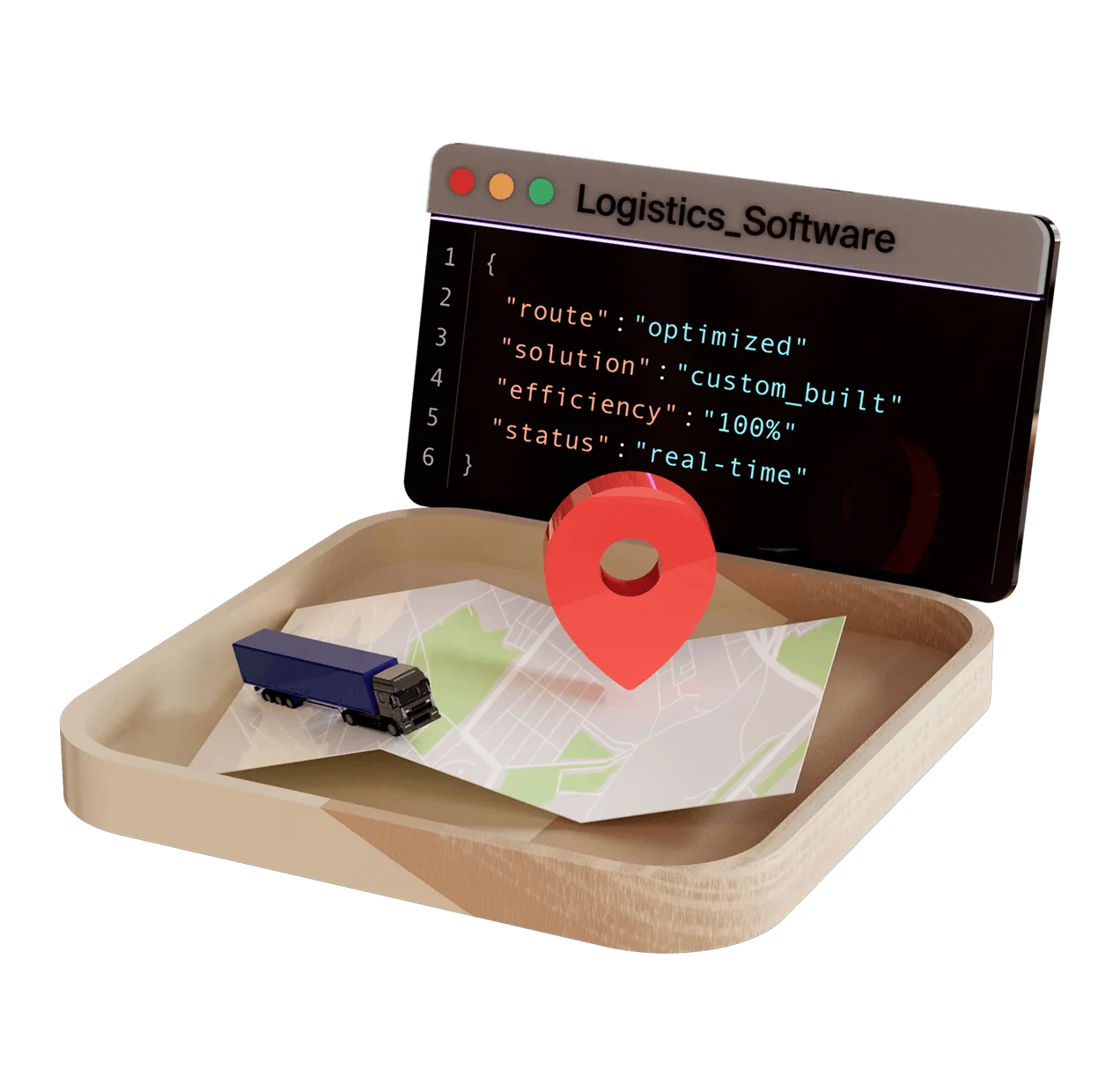

Many companies begin with ready-made platforms, and at first they seem good enough. But as operations expand, limitations start to surface. Processes feel rigid, teams spend more time working around restrictions, and scaling becomes far more complicated than expected. What once worked well can quickly turn into a daily obstacle.
This is where a more tailored approach changes the game. Imagine having a system that fits the way your operations actually run. One that supports your workflows instead of forcing you to adjust them. When your platform is built around your needs, everything becomes more intuitive. Teams move faster, coordination improves, and adapting to change becomes far less stressful.
Instead of constantly adjusting to inflexible tools, you create an environment that grows with you. And that is what allows modern supply chains to stay resilient, responsive, and ready for whatever comes next.
In this article, we will explore why more companies are moving toward custom-built platforms, the key benefits they bring, and how to approach building a system that truly supports your operations as you grow.
Custom logistics software is a platform built specifically to match the unique workflows and challenges of your operations. Unlike generic tools, it is crafted around your actual processes, making it fit naturally into how your team works every day.
One of the major advantages is its ability to connect seamlessly with AI logistics software you already use, such as customer management platforms or financial tools. This ensures that information flows smoothly across your operations without forcing your team to rely on inefficient workarounds.
With a mobile interface, teams can manage operations on the go. Drivers can receive assignments, update delivery statuses, and report issues directly from their phones, while managers can track shipments, monitor inventory, and make informed decisions in real time. Mobile access transforms the way work gets done, keeping everyone connected and reducing delays.
Building a tailored platform also means it grows with your operations. Specific rules, proprietary processes, and unique requirements can be built in from day one. The result is faster operations, tighter cost control, and better experiences for both employees and customers, all while providing the flexibility to adapt as your business evolves.
Look at how quickly supply chain operations are evolving. Customer expectations are rising, delivery windows are shrinking, and transparency is no longer optional. In this environment, relying on generic tools often starts to feel like trying to fit your operations into someone else’s template.
The challenge is simple. No two companies operate in exactly the same way, yet standard platforms are built for the average case. As your operations grow and become more complex, those limitations become harder to ignore.
A tailored approach changes that dynamic completely. Instead of adjusting your workflows to match a rigid system, you build a platform that reflects how your operations actually run. That often includes:
For companies operating across multiple locations or dealing with strict regulations, such as pharmaceuticals or food distribution, flexibility becomes critical. Every detail matters, and having a system that supports those requirements without constant workarounds makes a real difference.
Many ventures have already reached the same conclusion. Ready-made tools can solve basic challenges, but they rarely help you stand out. Industry leaders like FedEx and DHL invest heavily in building their own custom logistics software platforms because they need systems that match their exact operations and give them a competitive edge.
What used to feel out of reach is now far more achievable. With modern development frameworks and cloud infrastructure, building a tailored platform is no longer limited to large enterprises. More companies are choosing this path to gain control, flexibility, and the ability to grow without being held back by rigid tools.

Take a closer look at your day-to-day operations, and you will likely spot where money quietly slips away. Extra kilometers driven, time lost on manual coordination, misplaced inventory, or delays that could have been avoided.
The right technology helps you pinpoint these gaps and tighten control across your operations. Instead of reacting to problems, you start preventing them. Here is how logistics technology reduces costs for businesses:
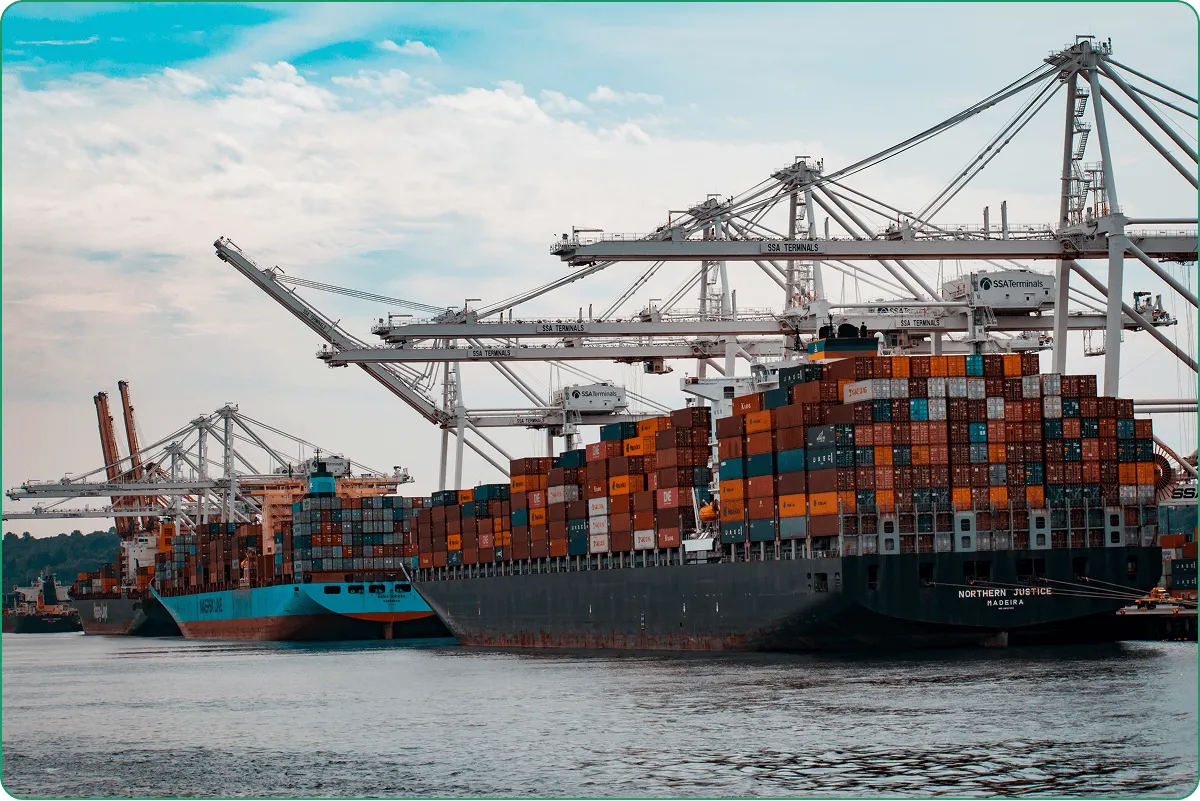
A strong supply chain platform is never just one tracking application doing everything at once. Instead, it is a set of connected components, each handling a specific part of your operations. When these pieces work together smoothly, everything feels more controlled, more predictable, and far easier to manage on a daily basis.
Let’s break down what typically powers a setup like this.
When your operations start growing, you quickly realize that not every tool can keep up. What worked when things were simpler often turns into a limitation as processes become more complex and expectations rise. That is usually the moment when companies begin looking for something more tailored to the way they actually work.
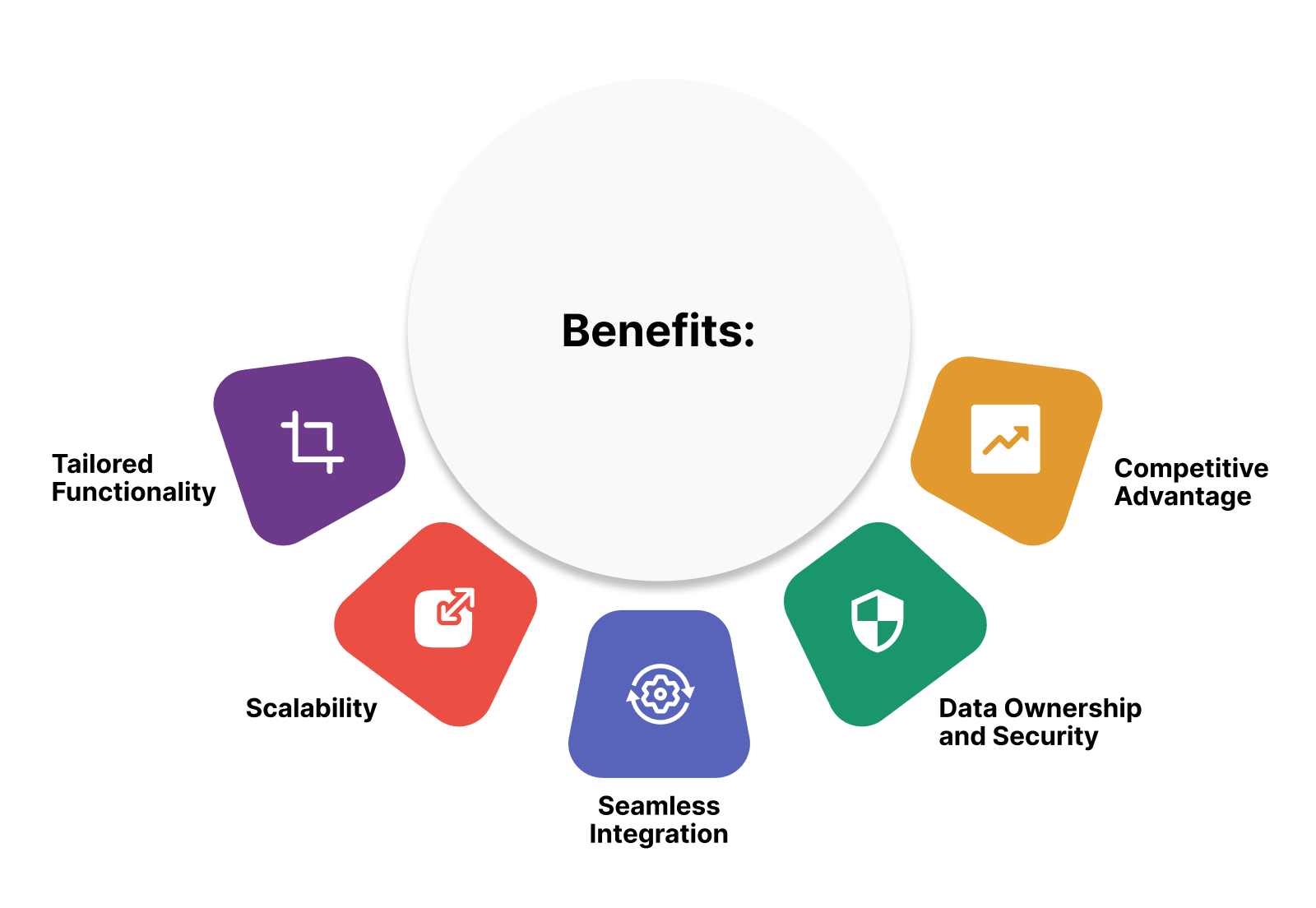
Custom software for logistics is about creating an environment that supports your operations today and continues to adapt as you grow. Let’s walk through the benefits you can expect when everything is built around your needs.
Every company operates differently, and your platform should reflect that. Instead of adjusting your workflows to fit a generic tool, you get features that match your exact processes. For example, if you are handling perishable goods, you can include temperature tracking and time-sensitive routing without relying on workarounds. Everything feels more natural because it is designed specifically for your operations.
Growth sounds exciting until your custom logistics software solution options start struggling to keep up. As operations expand, complexity increases, and many companies find themselves stuck with tools that cannot handle the load. A custom-built platform is designed with growth in mind, allowing you to add new capabilities, support higher volumes, and expand into new markets without rebuilding everything from scratch.
Modern operations depend on multiple systems working together. Customer platforms, financial tools, tracking devices, and internal systems all need to communicate smoothly. A tailored platform can be built to connect with your existing environment, creating a unified ecosystem where information flows naturally instead of getting stuck between disconnected tools.
Control over your information is more important than ever. With a custom-built platform, you are not relying on third-party providers to store and manage sensitive information. You decide how it is handled, where it is stored, and who has access to it. If you operate in regulated industries or handle sensitive operations, this level of control is essential.
When your platform is built specifically for your operations, it becomes more than just a tool. It becomes part of what sets you apart. Faster response times, smoother processes, and more efficient coordination all contribute to a stronger position in the market. Instead of trying to keep up with competitors, you create an environment that allows you to move ahead with confidence.

Switching to logistics custom software development is a big step, and it is completely normal to face a few obstacles along the way. The good news is that most of these challenges are predictable. With the right approach, they can be managed without slowing down your progress.
Let’s take a closer look at what you might run into and how to handle it with confidence.
Logistics custom software development is not something that happens overnight. From the initial discovery phase to the final launch, the process can take several months depending on complexity. That said, you do not have to wait until everything is finished to see results. Many companies follow an iterative approach, releasing a minimum version early and improving it step by step. This way, your team starts benefiting from the platform while it is still evolving.
At first glance, the investment may seem higher compared to ready-made tools. That often raises concerns, especially at the beginning of the project. However, the long-term picture looks very different. When processes become more efficient, manual work is reduced, errors decrease, and the return on investment becomes clear. Over time, the platform pays for itself by improving how your operations run every day.
People naturally get used to the tools they work with daily. Introducing something new can feel disruptive, even if it is an improvement. That is why adoption needs to be handled carefully. Clear communication, proper training, and a user-friendly interface all make a big difference. When employees understand how the new software for logistics businesses helps them in their daily work, the transition becomes much smoother.
To support this shift, many fir,s rely on simple performance tracking tools such as KPI dashboards. Having clear visibility into operational metrics helps teams stay aligned, builds confidence in the new system, and makes the transition feel more structured rather than overwhelming.
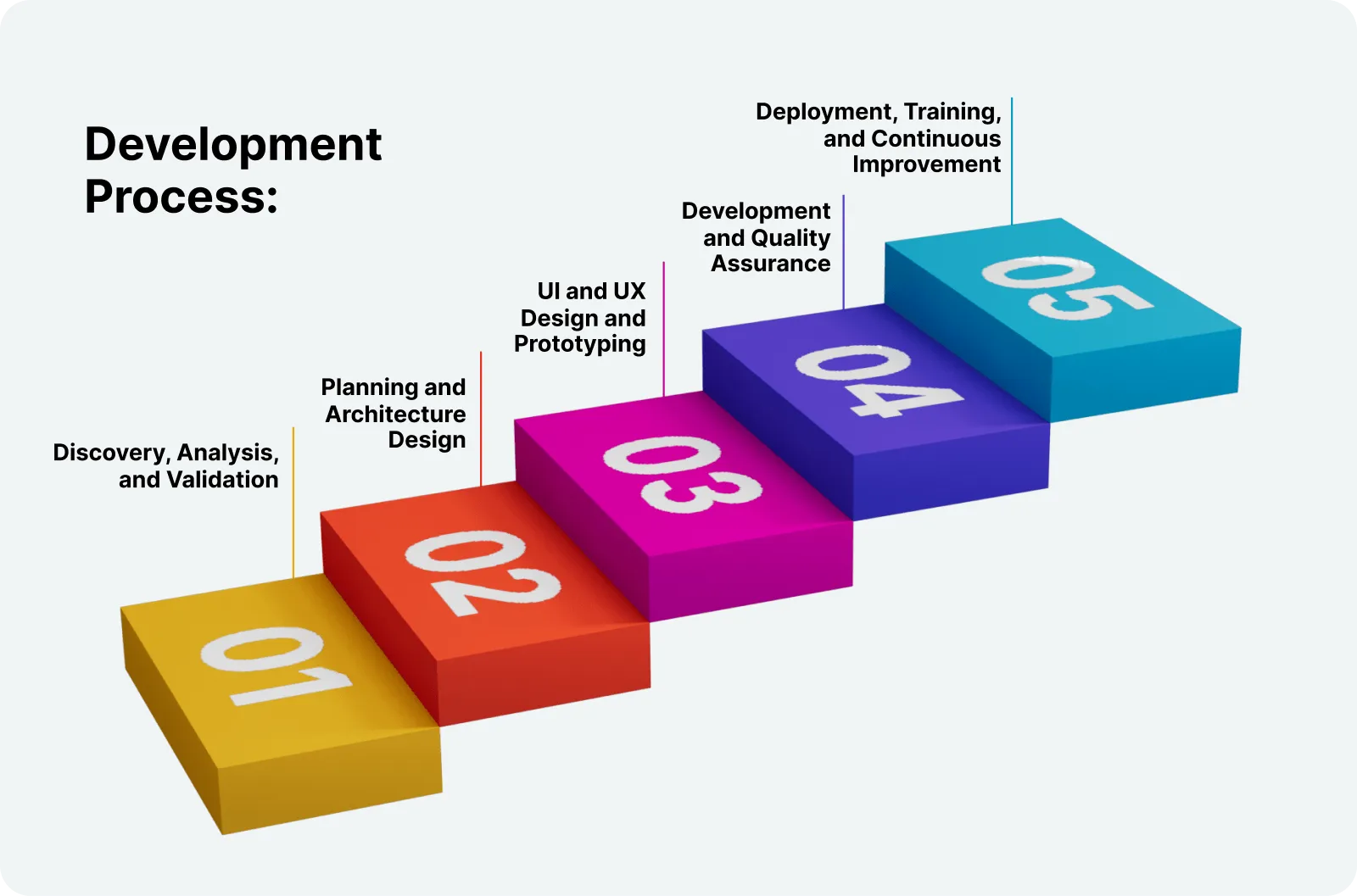
Building a platform tailored to your operations is not a one-step task. It is a structured journey that takes your idea from an early concept to a fully working logistics business management software that supports your team every day. And the effort is well justified, as recent academic research shows that implementing advanced digital supply chain technologies can improve operational efficiency by 15% to 25%. When done right, each stage builds on the previous one, reducing risk and making sure the final result actually fits your operations.
Let’s walk through how this process typically unfolds.
Everything starts with understanding how your operations really work. At this stage, teams take a close look at your current setup, speak with key stakeholders, and map out daily workflows. The goal is to identify where things slow down, where inefficiencies appear, and what needs to improve.
Clear objectives and performance indicators are defined early so everyone knows what success looks like. From there, technical experts evaluate whether the idea is feasible and outline the best way forward. By the end of this phase, you have a solid foundation and a clear direction for what needs to be built.
Once the vision is clear, the focus shifts to building the right structure behind it. Choosing the right technology stack plays a major role here, with many companies opting for cloud-based environments to support growth and flexibility.
At the same time, integration planning becomes a priority. Your platform needs to connect with existing tools such as custom logistics software development solutions, customer platforms, tracking devices, and external partners. When this is planned properly from the start, everything works together smoothly instead of becoming fragmented later on.
Now the platform starts to take shape from a user perspective. Teams design dashboards for managers, mobile interfaces for drivers, and role-based views that make daily tasks easier to handle.
Instead of jumping straight into development, designers create wireframes and interactive prototypes. These early versions are tested with real users to make sure everything feels intuitive and aligns with actual workflows. Catching issues at this stage saves time and prevents costly changes later.
With a clear design in place, development begins. Logistics software companies build the platform step by step, focusing on core features first and adding more advanced functionality over time.
Testing runs alongside development rather than being left until the end. Each component is checked to make sure it works correctly, integrates properly, and performs well under pressure. Real-world scenarios are also tested, such as high-volume tracking or complex route planning, to ensure the platform can handle daily demands without issues.
Launching it is a major milestone, but it is not the finish line. Many companies roll out the system in stages, starting with a core version and expanding functionality over time.
During this phase, teams receive training and support to help them adapt quickly. Data migration is handled carefully to avoid disruptions, and performance is closely monitored during the initial rollout.
After launch, the custom software in logistics continues to evolve. Regular updates introduce new features, adapt to changing requirements, and keep everything running smoothly as your operations grow.

It is one thing to talk about tailored platforms in theory and another to see how they perform at scale. And the impact is not just anecdotal. An empirical study published in SHS Web of Conferences found that digitally transformed supply chains achieved a 71.7% increase in inventory turnover and a 60.9% reduction in operational errors, clearly showing how advanced logistics software examples can improve both accuracy and efficiency. Some of the most successful companies are developing custom embedded software for logistics to keep their operations running with precision. Let’s look at a few examples that show what is possible when technology is built around real operational needs.
Logistics operations are evolving fast as supply chains grow more complex and customer expectations keep changing. Investing in transportation management software allows companies to design adaptable, future-ready platforms that deliver meaningful improvements across daily operations.
More than just moving goods from point A to point B, modern operations are now central to creating value for customers. Logistics custom software gives teams the tools to offer faster delivery, clearer visibility into stock levels, and smarter routing that saves time and resources.
Looking ahead, even smaller players are beginning to adopt custom platforms powered by cloud computing, low-code frameworks, and artificial intelligence. Businesses that lay the foundation for intelligent, tailored logistics early on will be best positioned to lead in this fast-changing landscape.


Tech & Innovation Expert
Anastasiya is committed to making the complex simple. Her passion for writing, proficient research, and strong interviewing skills allow her to share in-depth insights into the ever-evolving IT landscape.

Our newsletter is packed with valuable insights, exclusive offers, and helpful resources that can help you grow your business and achieve your goals.